Menu

I Am Quixote

Call Us At: 919-995-9763

El Quixote Festival Events

5th ANNUAL DAY OF THE DEAD – CITY OF RALEIGH MUSEUM

ARTIST STUDIO PROJECT IN COLLABORATION WITH THE CITY OF RALEIGH MUSEUM, THE FRIENDS OF COR MUSEUM  INVITE YOU TO:

5th ANNUAL DAY OF THE DEAD – CITY OF RALEIGH MUSEUM
220 Fayetteville St, Raleigh, NC 27601

FREE FAMILY FRIENDLY EVENT

Things kick off November 1, 2021 and then again on the 5th of November.
This year’s Altar will honor the Voces | Voices that we have lost due to the pandemic.
JOIN US AS WE LOOK A BIT CLOSER TO THIS WONDERFUL CULTURAL TRADITION.
FOR FOLKLORIC MUSIC,  CRAFTS AND MORE.

Face Coverings Required Indoors in Raleigh


ENGLISH LANGUAGE PROMO


SPANISH LANGUAGE PROMO


Artist Studio Project en colaboración con el museo de la ciudad de Raleigh, los Amigos del museo de COR te invitan a:
5 ° día anual de muertos – museo de la ciudad de Raleigh
220 Fayetteville St, Raleigh, NC 27601
Evento familiar gratuito
Las cosas comienzan el 1 de noviembre de 2021 y luego de nuevo el 5 de noviembre.
El altar de este año honrará las Voces | Voices que hemos perdido por la pandemia.
Únase a nosotros mientras miramos un poco más cerca de esta maravillosa tradición cultural.
Para música folclórica, artesanías y más.


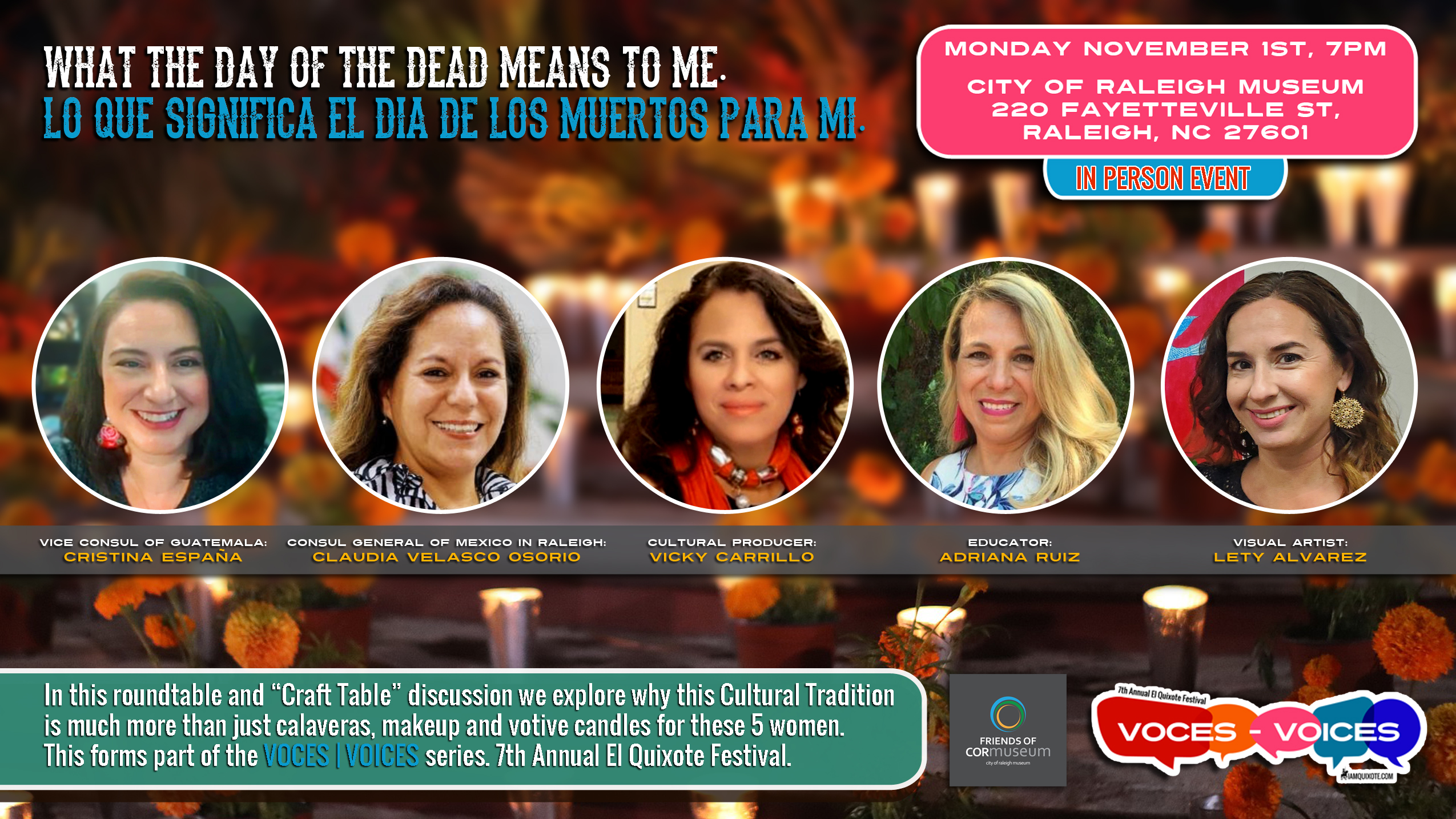
MONDAY NOVEMBER 1ST 7PM:
What The Day of The Dead Means To Me: Roundtable
LO QUE SIGNIFICA EL DIA DE LOS MUERTOS PARA MI.

Where: CITY OF RALEIGH MUSEUM
220 FAYETTEVILLE ST, RALEIGH, NC 27601

In this roundtable and “Craft Table” discussion we explore why this Cultural Tradition is much more than just calaveras, makeup and votive candles to these women. This forms part of the VOCES | VOICES series. 7th Annual El Quixote Festival.
Join us for this Free event.
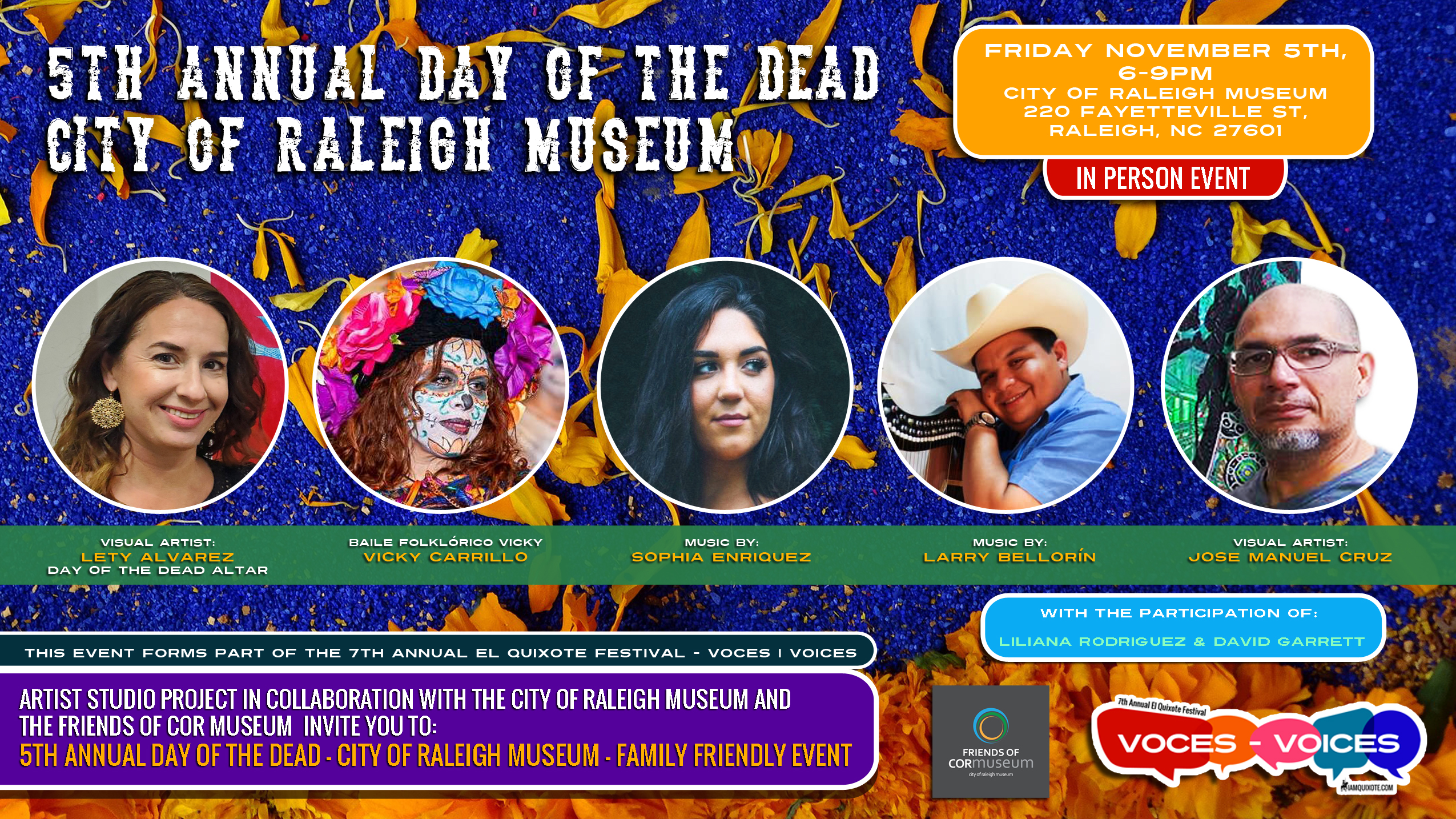

FRIDAY NOVEMBER 5TH 6-9PM

Where: CITY OF RALEIGH MUSEUM
220 FAYETTEVILLE ST, RALEIGH, NC 27601
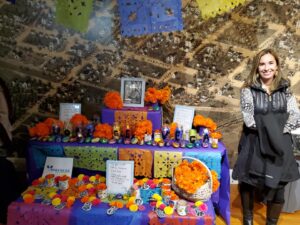

Photo : 2019 Lope De Vega

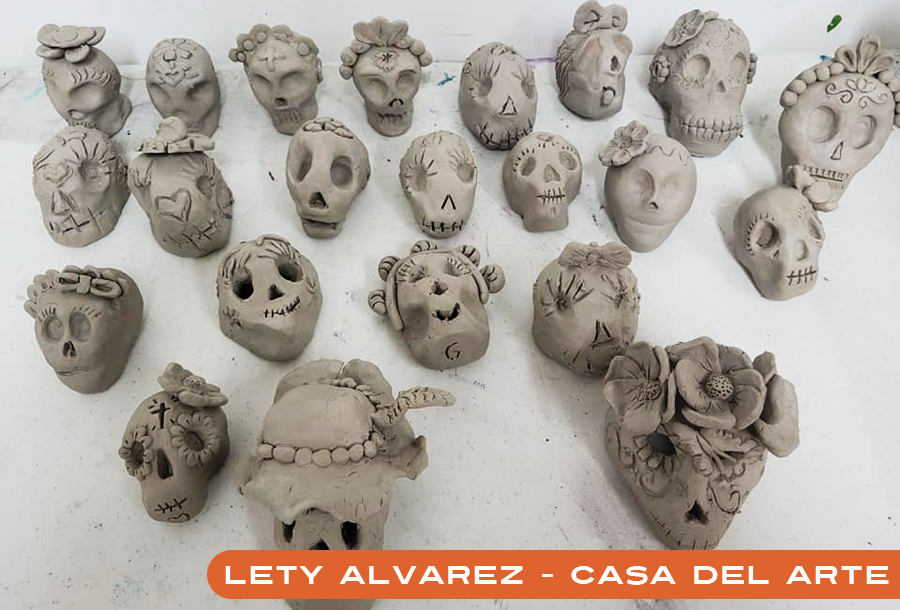
Visual Artist – Lety Alvarez

Join us as we unveil the 5th Annual Day of The Dead Altar –
Voces | Voices this year dedicated to women and those we have lost due to the pandemic.

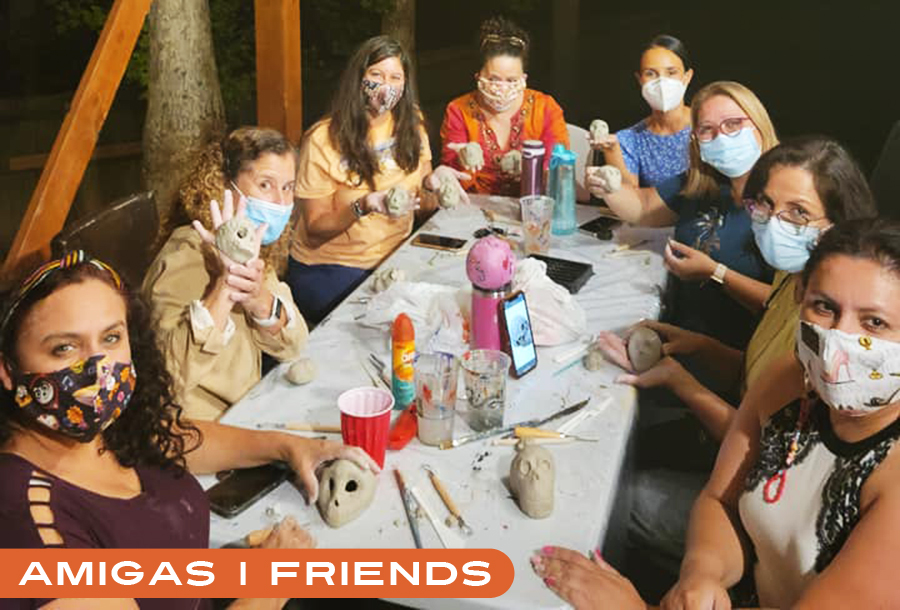
Alvarez along with a close group of friends have created a wonderful tribute altar in honor of Amigas | Friendship.
Vicky Carrillo, Angeles de la Torre, Claudia Casco, Claudia Apodaca, Gaby de la Torre, Rosy Roa, Ana Silvia Martinez, Paola Tavernier


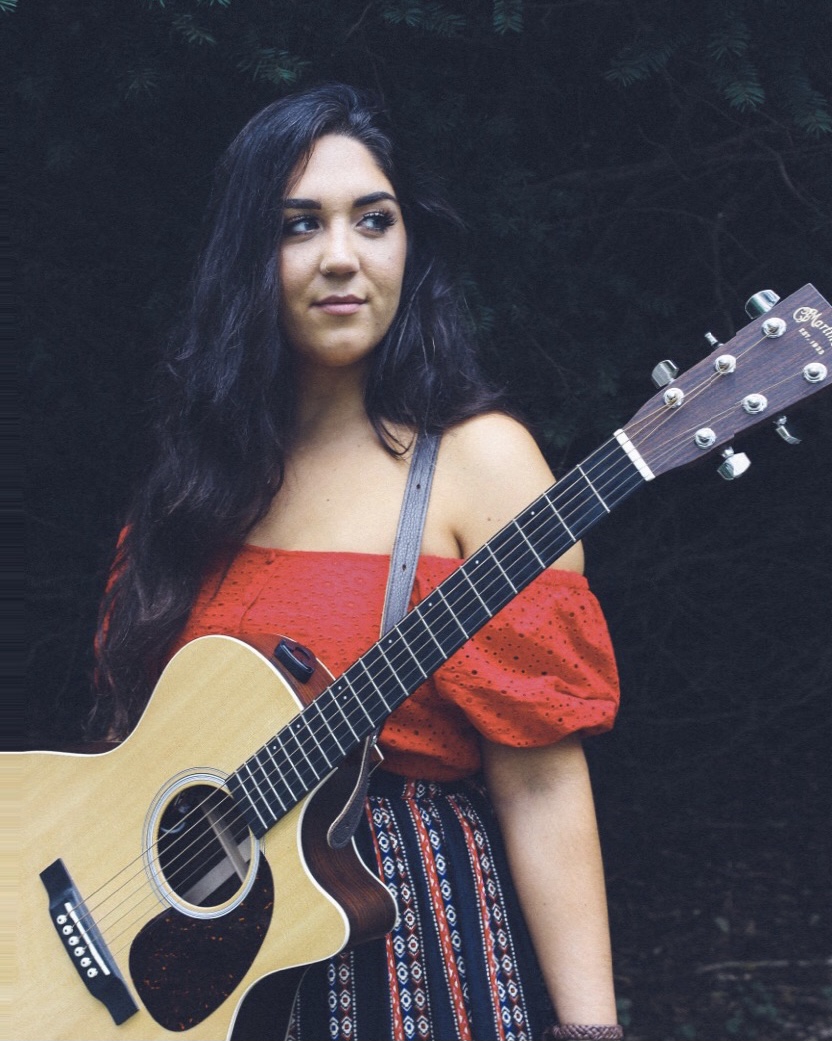
Music By: Sophia Enriquez

About Sophia:

“Originally from southern Ohio, Dr. Sophia M. Enriquez is a Chicana-Appalachian scholar, teacher, and musician. She teaches in the department of music and program for Latina/o studies at Duke University and is currently working on a book project about the intersection of Latina/o/x and Appalachian cultures with a focus on music and migration. Sophia has also worked as a public folklorist on several projects to document traditional folk arts in the Appalachian region. Interested in how music can unearth erased and forgotten stories, Sophia performs a variety of American folk music (including bluegrass, country, and ranchera) from the lens of intersectional feminism.”
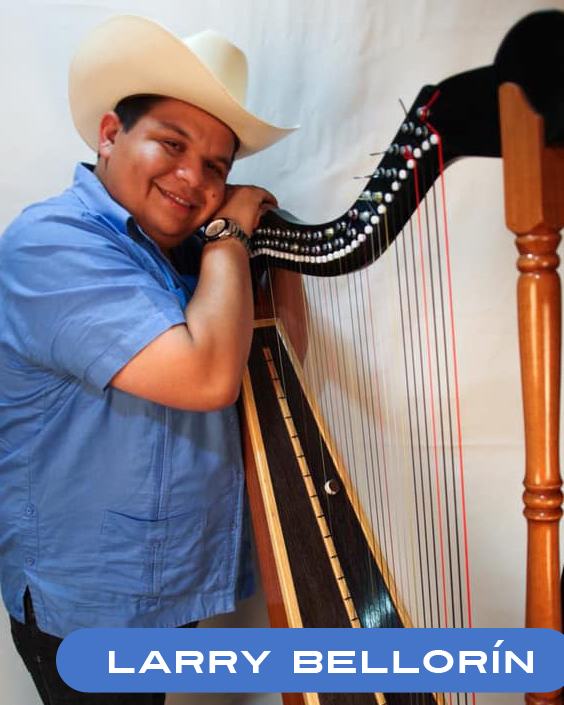


Music By: Larry Bellorín

Larry Bellorín was born in Punta de Mata in the state of Monagas, Venezuela, on October 10, 1983. He is a singer and professional musician. He is the former President of the Musical Foundation “Casa Vieja.” His greatest wish is that the music of his country be respected, loved and known.

In his foundation, Larry taught string instruments and singing techniques to children, youth and adults in his community and surroundings.
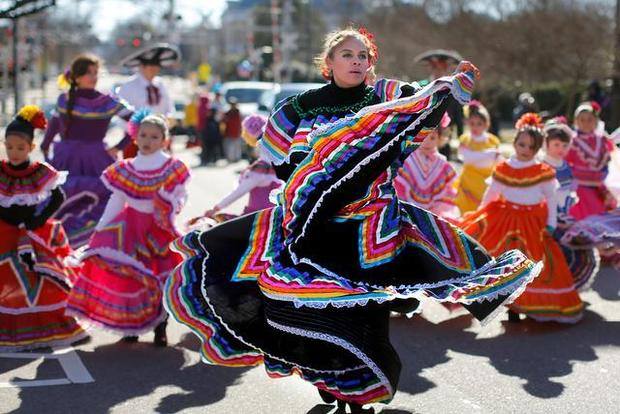


Doña Vicky Carrillo of Baile Folklorico Vicky Academy

Baile Folklórico Vicky solo tiene la intención de promover y rescatar los valores y tradiciones de la cultura Mexicana”
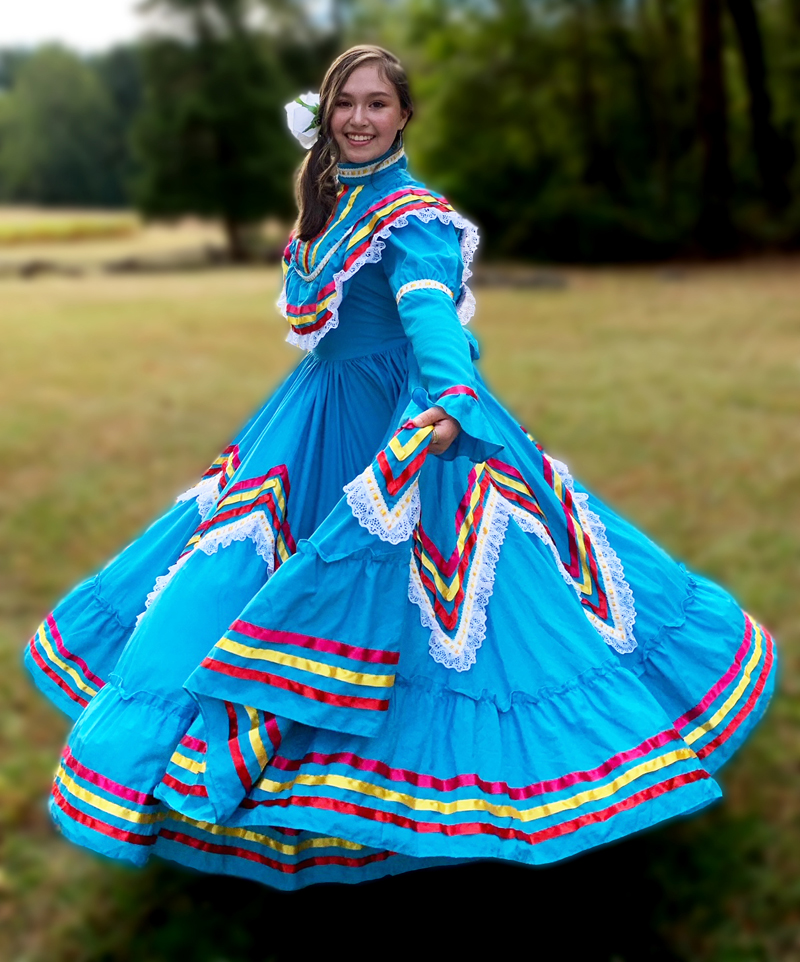
Liliana Rodriguez – Will also sing for us!

Baile Folklórico Vicky tiene mas de 10 años, haciendo servicio voluntario y participando en diferentes eventos culturales.
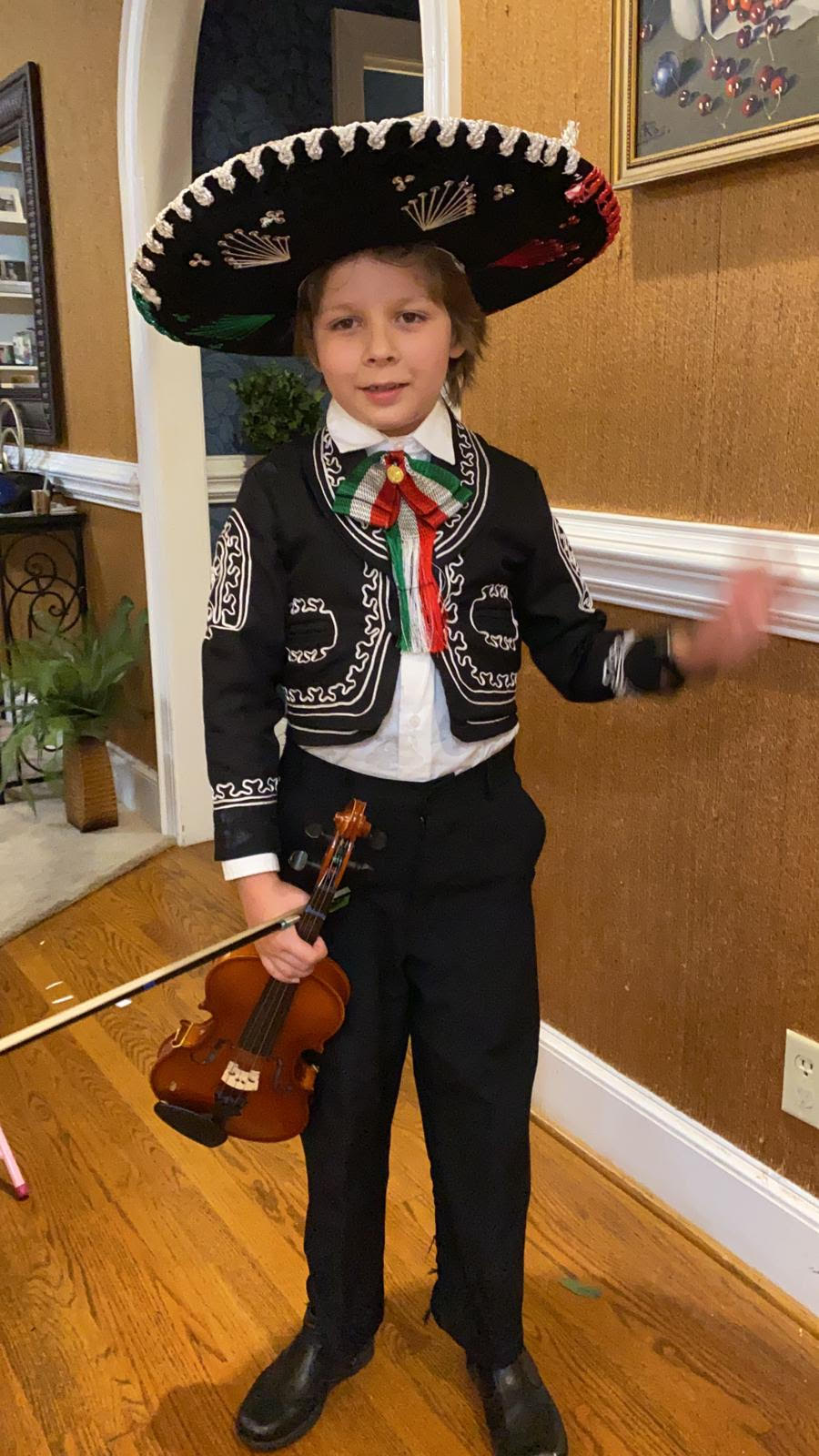
David Garrett will also perform.

Tambien preparan comida para 200 trabajadores del campo y les llevan de comer a los campamentos. Esto lo realizan 3 a 4 veces en el verano cada año con la ayuda de familias y con el apoyo de una iglesia.

“Folkloric Dance Vicky’s only mission is to promote and rescue the values and traditions of the Mexican culture”
Folk Dancing Vicky has more than 10 years, volunteering and participating in different cultural events throughout the triangle area. They also prepare food for 200 farm workers and deliver the meals to the camps. They do this 3 to 4 times each year during the summer months with the help of families and with the support of a local church.
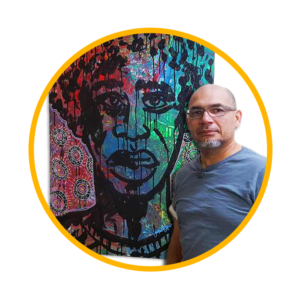


“Raleigh’s Living Room: Rest, Reflect, Respond”

Visual Artist: Jose Manuel Cruz

The City of Raleigh Museum invites you into the museum to find rest, reflect on your life, and respond to prompts aimed at focusing on your mental health. In its newest temporary exhibit, “Raleigh’s Living Room: Rest, Reflect, Respond”, the museum is focusing on art therapy and the need for self-care during these very stressful times. Every month, the exhibit will feature a prompt that asks visitors to reflect on a certain aspect of their lives then draw a response on the dry erase wall. Additionally, each month a local artist will respond to the same prompt and their art will be visible for the month.

Jose Cruz is a Puerto Rican/Colombian Latino Artist. He has a unique style and loves working with color and all mediums. Mr. Cruz has been an Art Educator for over 25 years at all grade levels. He has been an advocate for the arts in education and enjoys bringing art to the communities and at the same time brings his experiences as a professional exhibiting artist and photographer back to the classroom.
His most recent works can be seen here at the Triangle Cultural Art Gallery. Mr. Cruz is also proud to have his piece titled “Racial Profiling” acquired by the Smithsonian’s Anacostia Community Museum in Washington D.C. in 2016. Mr. Cruz’s influences as an artist are attributed to his Family, Professor Bernard, Eleta Caldwell, Russel Murray, Mr. K, Professor Ben Jones, Keith Haring, Jean-Michel Basquait, Miro, Gustav Klimt and countless Graffiti Artists.


Artist Studio Project NC                        


Learn More »

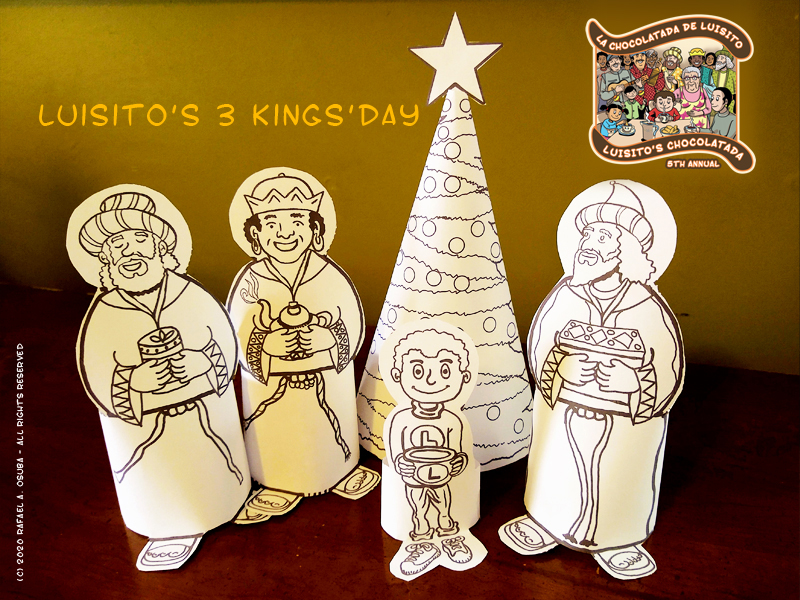
5TH ANNUAL LA CHOCOLATADA DE LUISITO – LUISITO’S CHOCOLATADA


Artist Studio Project, El Centro Hispano y WEAD FM, los invita a que se unan a nuestra quinta campaña anual navideña, de recolección de juguetes, para La Chocolatada de Luisito. Considere donar un juguete nuevo, sin envolver, pequeño, de género neutro. Aceptamos juguetes para niños hasta 11 años. Puede dejar su donación en cualquiera de las ubicaciones de El Centro Hispano, en Carrboro, Durham o Raleigh. De lunes a jueves de 9 am a 4pm.

Juntos podemos llevarle una sonrisa a la cara de un niño esta navidad. Muchas Gracias y Feliz Navidad!


Artist Studio Project, El Centro Hispano and WEAD FM invite you to join our fifth annual Christmas Toy Drive for La Chocolatada de Luisito. Consider donating a new, unwrapped, small, gender-neutral toy. We accept toys for children up to 11 years old. You can drop off your donation at any of the El Centro Hispano locations, in Carrboro, Durham or Raleigh Monday through Thursday from 9 a.m. to 4 p.m.

Together we can bring a smile to a child’s face this Christmas. Thank you very much and Merry Christmas!


YOU CAN BRING YOUR DONATION TO EL CENTRO HISPANO OR
CANTACT RAFAEL
Offices are located at:

El Centro Hispano de Carrboro – 201 W Weaver St, Carrboro, NC 27510
El Centro Hispano Durham – 2000 Chapel Hill Rd #26a, Durham, NC 27707
El Centro Hispano Raleigh – 421 Chapanoke Rd Suite 156, Raleigh, NC 27603

Our event is planned for DEC -11, 2021

EL CENTRO HISPANO

LA CHOCOLATADA DE LUISITO –LUISITO’S CHOCOLATADA

*Please Note: This event is not public. Este evento no es publico.


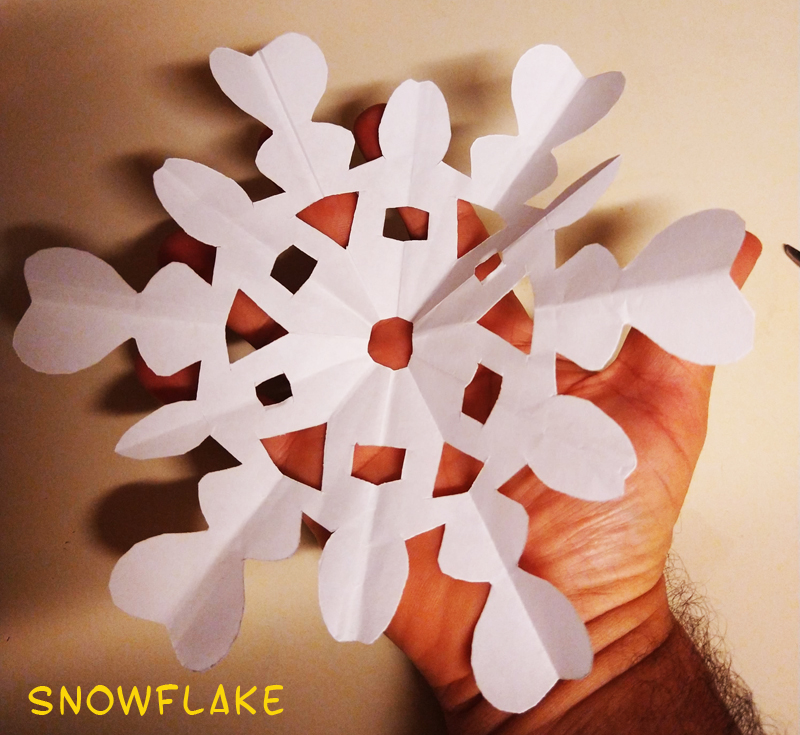
MAKE A SNOWFLAKE


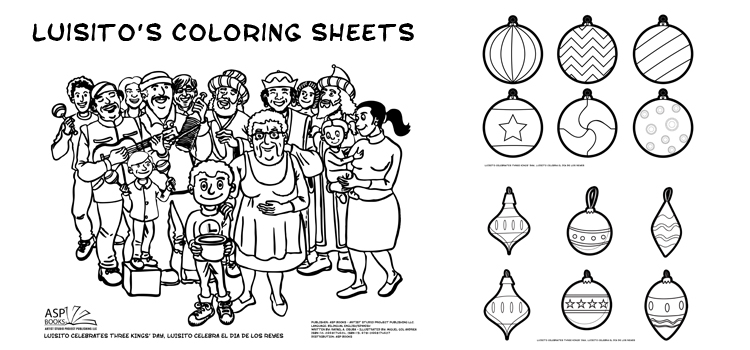
LUISITO’S COLORING SHEETS


HOW TO: HOLIDAY CRAFTS WITH GO DWY GO PARTY ENTERTAINMENT


HOW TO: Make 3 Kings Bread From Home

Learn More »

Coser y Cantar – REYNA PRODUCTIONS

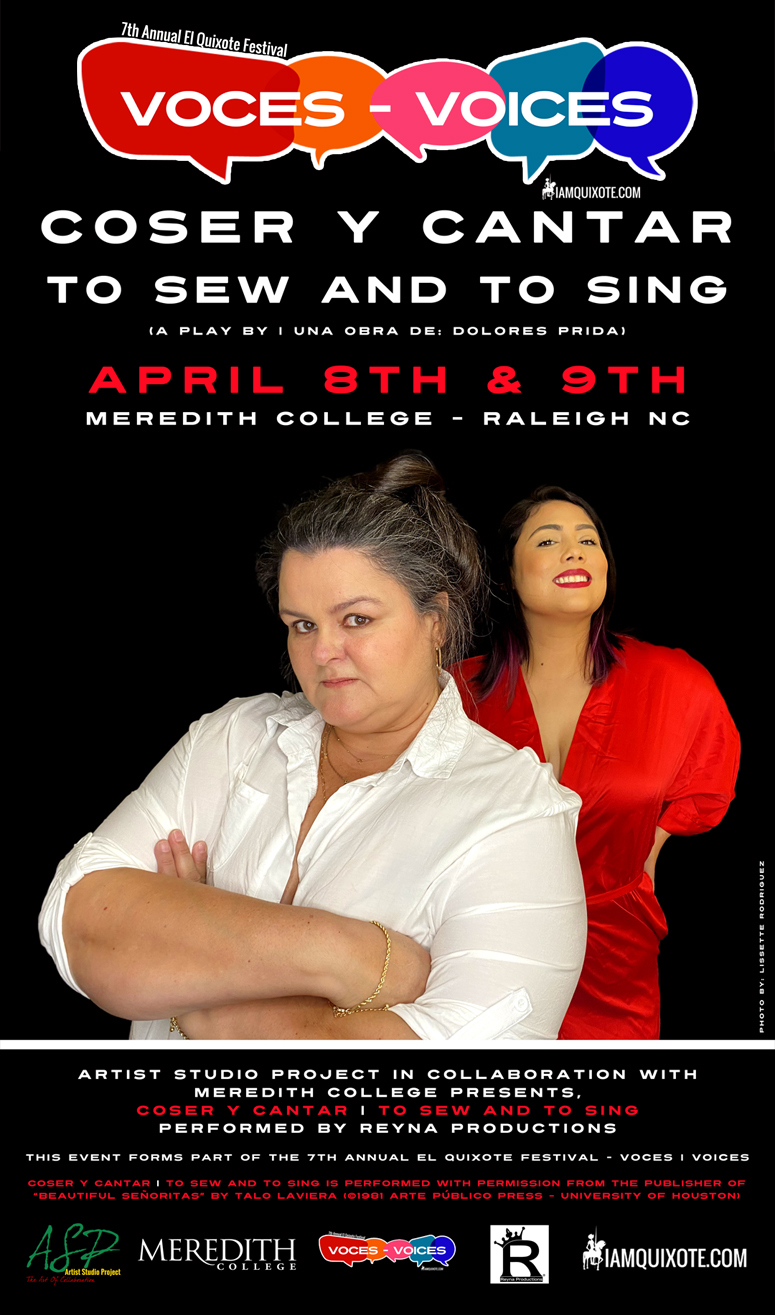
Artist Studio Project in collaboration with Meredith College presents,
Coser y Cantar | TO Sew and To Sing – A play by Dolores Prida
Performed by Reyna Productions

Mónica Reyna Saavedra (She), Mariana Corrales (Ella),
Lissette Rodriguez

This event forms part of the 7th annual El Quixote Festival – VOCES | VOICES

Click on the dates to reserve your tickets!

2 Live in person events: 
Friday  April 8th at 7PM,
&
Saturday April 9th at 2PM Meredith College – Raleigh NC

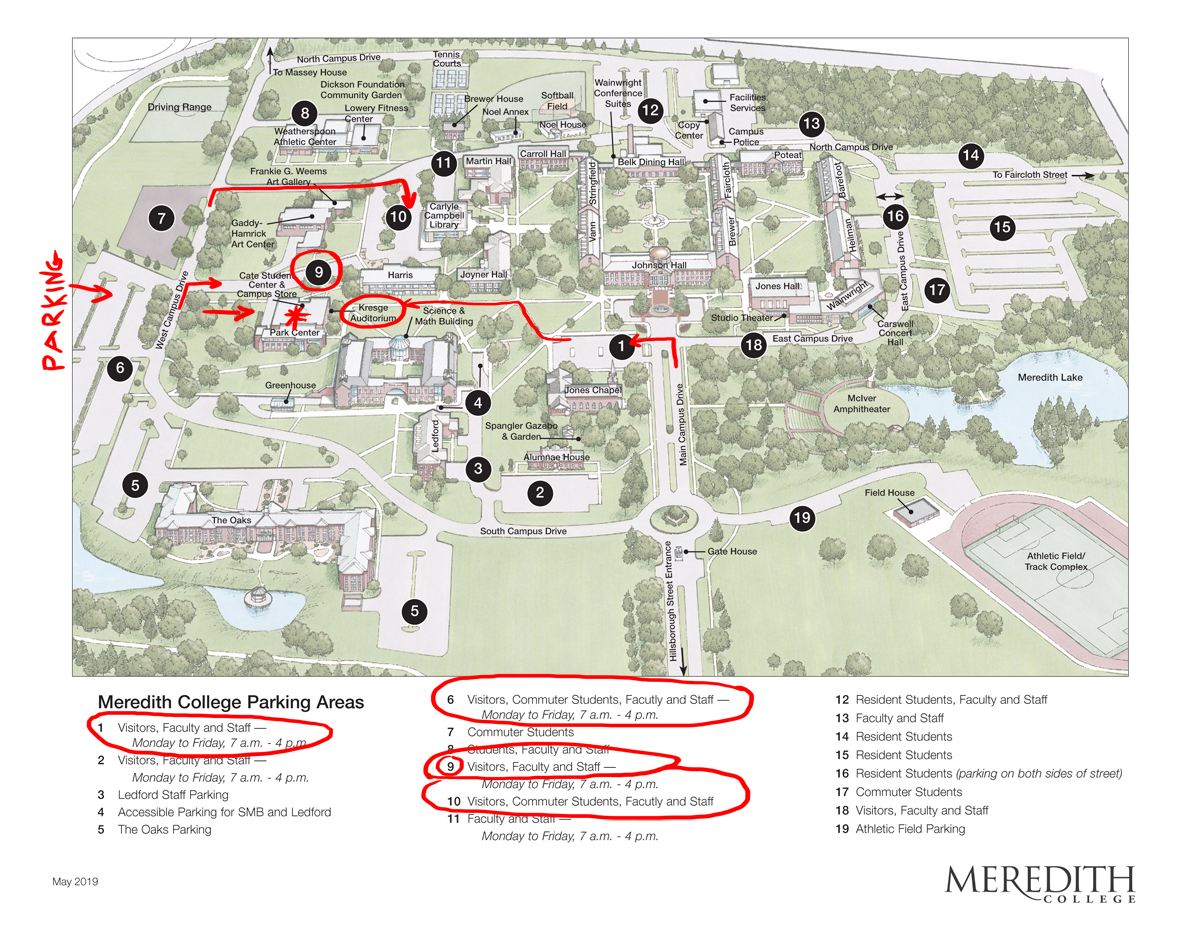
Kresge Auditorium – Meredith College
3800 Hillsborough Street Raleigh, NC 27607

Masks are optional but highly encouraged. No proof of vaccination needed. Additional policies may apply on a show-by-show basis and are subject to change.

Las máscaras son opcionales pero muy recomendables. No se necesita prueba de vacunación. Es posible que se apliquen políticas adicionales según cada programa y están sujetas a cambios


Artist Studio Project en colaboración con Meredith College en Raleigh presenta Coser y Cantar.
Realizado por Reyna Productions.

8 de abril a las 7pm,
9 de abril a las 2pm – Meredith College – Raleigh NC


“Culture is part of identity, too”

Coser y Cantar, a play that focuses on a Hispanic woman living in the United States and how she attempts to deal with living in two very different worlds. (Coser y cantar—literally “sewing and sing-ing”—is a Spanish idiom meaning “child’s play.”) Subtitled “A One-Act Bilingual Fantasy for Two Women,” the play has two characters, She, who primarily speaks English throughout the play, and Ella, who primarily speaks Spanish. It becomes clear to viewers that She and Ella are not actually two separate characters, but are the two sides of one woman. Throughout the play these two sides of the same woman argue, each trying to gain control over the other. In the end, they come to the realization that the separate elements complement each other. While She and Ella will never be “one” person, the two sides they represent make for a strong (if somewhat unsettled) individual.


Coser y Cantar, una obra de teatro que se centra en una mujer hispana que vive en Estados Unidos y cómo intenta lidiar con vivir en dos mundos muy diferentes. Coser y cantar es un modismo en español que significa “juego de niños”. Subtitulada “Una fantasía bilingüe de un acto para dos mujeres”, la obra tiene dos personajes: She, que habla principalmente inglés durante toda la obra y Ella, que habla principalmente español. Queda claro para los espectadores que She y Ella no son en realidad dos personajes separados, sino los dos lados de una mujer. A lo largo de la obra, estos dos lados de la misma mujer discuten, cada uno tratando de hacerse con el control del otro. Al final, se dan cuenta de que los elementos separados se complementan entre sí. Si bien She y Ella nunca serán “una” persona, los dos lados que representan forman un individuo fuerte (aunque algo inestable).


Coser y Cantar / To Sew and to Sing is performed with permission from the publisher of “Beautiful Señoritas”  Talo Laviera (©1981 Arte Publico Press – University of Houston)


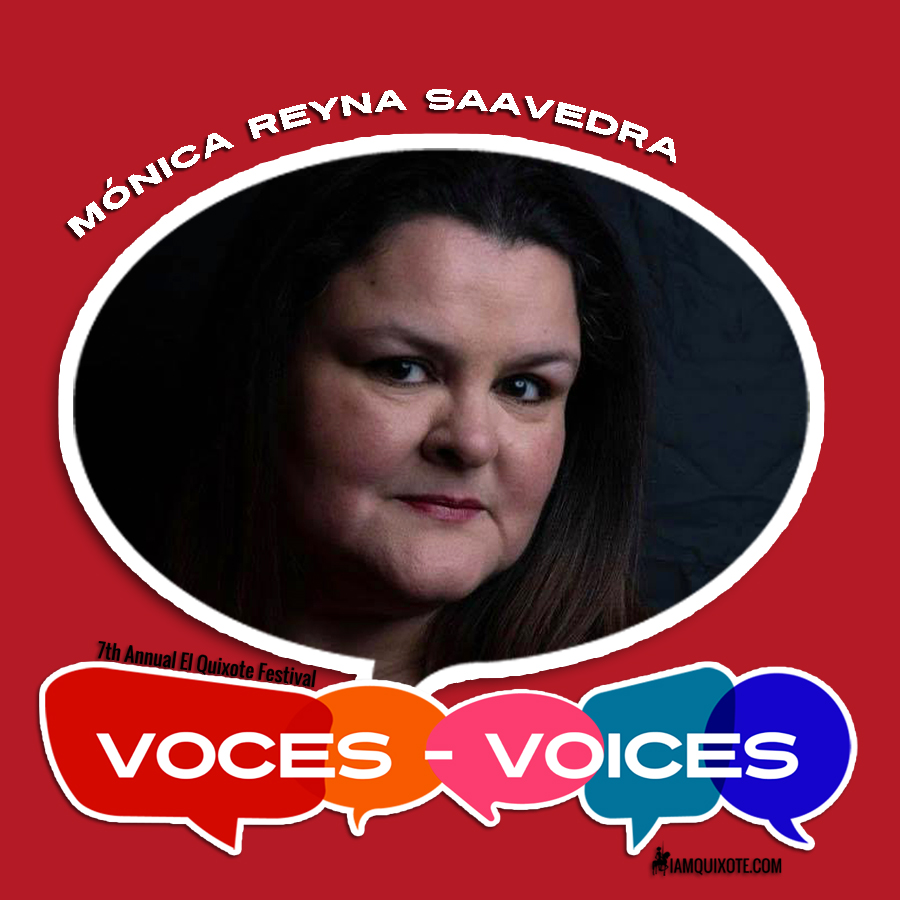
Mónica Reyna Saavedra was born and raised in Lima, Peru and has a passion for acting and storytelling. She started performing at an early age in theater and school plays through her teenage years. After moving to the U.S. in 1992 and being away from acting for several years, she returned to the stage with Theatre Charlotte in the staged reading of The House of Bernarda Alba. In 2013, she was recognized by Art Sí for her support to Latino arts in the community. In most recent years, she has performed and directed community theater projects in collaboration with Queens University of Charlotte, UNCC Department of Theater, The Mint Museum, Artist Studio Project Publishing LLC and other local organizations. Some of her performances and projects include The Vagina Monologues, Mama Goose, La Decima Musa, Los Zapaticos de Rosa, Meñique, Coser y cantar, among others. Mónica recently started writing, inspired by memories of her childhood and her hometown. Her short stories San Martín de Mis Amores,  Corazón con Huellas de Sol, Arena y Mar and Margarita con Aroma a Clavo y Canela have been published in the online e-journal Label Me Latina/o.


Mónica Reyna Saavedra nació y se crió en Lima, Perú y le apasiona la actuación y la narración. Comenzó a actuar a una edad temprana en teatro y obras escolares durante su adolescencia. Tras mudarse a Estados Unidos en 1992 y estar alejada de la actuación durante varios años, volvió a los escenarios con Theatre Charlotte en la lectura teatralizada de La casa de Bernarda Alba. En 2013, Art Sí la reconoció por su apoyo a las artes latinas en la comunidad. En los últimos años, ha realizado y dirigido proyectos de teatro comunitario en colaboración con Queens University of Charlotte, el Departamento de Teatro de la UNCC, The Mint Museum, Artist Studio Project Publishing LLC y otras organizaciones locales. Algunas de sus actuaciones y proyectos incluyen The Vagina Monologues, Mama Goose, La Decima Musa, Los Zapaticos de Rosa, Meñique, Coser y cantar, entre otros. Mónica comenzó a escribir recientemente, inspirada en los recuerdos de su infancia y su ciudad natal. Sus cuentos San Martín de Mis Amores, Corazón con Huellas de Sol, Arena y Mar y Margarita con Aroma a Clavo y Canela han sido publicados en la revista electrónica Label Me Latina / o.


Mariana Corrales
Mexican living in the Carolinas.
She is a marketer by profession and a communicator by vocation.
She is a lover of theater, poetry, and writing.
Mom, wife and faithful friend.
Her mantra:
Make sure what you do today makes you really happy.


Mariana Corrales
Mexicana viviendo en las Carolinas.
Mercadóloga de profesión y comunicóloga por vocación.
Amante del teatro, la poesía, y la escritura.
Mamá, esposa y amiga fiel.
Su mantra:
Asegúrate de que lo que haces hoy te hace realmente feliz.


Lissette Rodriguez
Human, Woman, Mother of 3 beautiful daughters, Wife, Art Lover, Poet, Storyteller.
Blooming in my time.


Lissette Rodriguez
Humana, Mujer, Madre de 3 hermosas hijas, Esposa, Amante del Arte, Poeta, Narradora.
Floreciendo en mi tiempo.


Learn More »

6th Annual Literary Gathering – Voces/Voices

TERTULIA LITERARIA - LITERARY GATHERING6th Annual Queens University of Charlotte Literary Gathering – Voces/Voices  VIRTUAL EVENT

March 26,2022


The 7th Annual El Quixote Festival in collaboration with Queens University of Charlotte invite you to enjoy our literary production of Voces | Voices.
We would like to thank all the participants who shared their talents in this production.


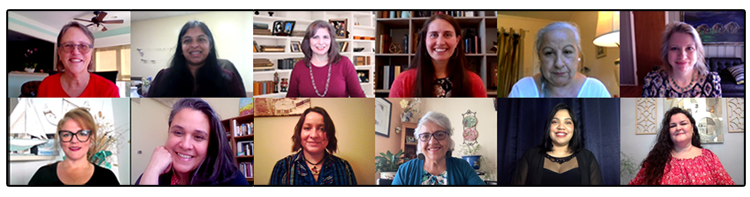
Pictured Left to Right – Top to Bottom


Michele Shaul reads: Rosario Castellanos [Fragment of Balun Canan]

Anita McGill reads: Anna Castillo [poem] I Heard the Cries of Two Hundred Children

Aura Maria Gavillan Posse reads: Maria Mercedes Carranza [poems]

Regina Betz-Madge reads: Sandra Cisneros [Fragment of House on Mango Street]

Eugenia Gallardo reads one of her works: A Calzón Quitado

Julie Funderburk reads: Aida Limon [poems]

Karina Urdaneta Runyan reads: Isabel Allende [Fragment of La isla Bajo El Mar]

Shawn Bowers reads: Anita Cantillo [poems]

Miriam García reads: from her book: La Dama de la Ciudadela

Norma Martí reads: Ilia Calderon – [Fragment of Es Mi Turno]

Lisette Rodriguez reads: Julia de Burgos [poems]

Mónica Reyna Saavedra reads: Victoria Santa Cruz [poem] Me gritaron Negra

Special Thanks to Michele Shaul and Queens University of Charlotte for their continued support and collaboration in helping to provide platforms for artistic expression.


About Voces| Voices

VOCES | VOICES provides a platform for women artists of color (Hispanic, Latina, Indigenous, Afro Latina, and Latinx) to share their work through multiple forms of expression. The scope includes the visual arts, poetry, storytelling, fashion, film, performance, theatre, gastronomy, multimedia, etc. A group of selected artists will participate in a series of events that highlight their stories as part of El Quixote Festival 2021-2022 (September 29 through April 23).

The El Quixote Festival now in its seventh year [2021-2022] is produced by Artist Studio Project Publishing LLC and is a collaborative festival produced across the state of North Carolina and highlights the work of one or several artists.
Rafael A Osuba is the Director and Cultural Producer of the El Quixote Festival.

Special Thanks to Michele Shaul and Queens University of Charlotte for their continued support and collaboration in helping to provide platforms for artistic expression.

Learn More »

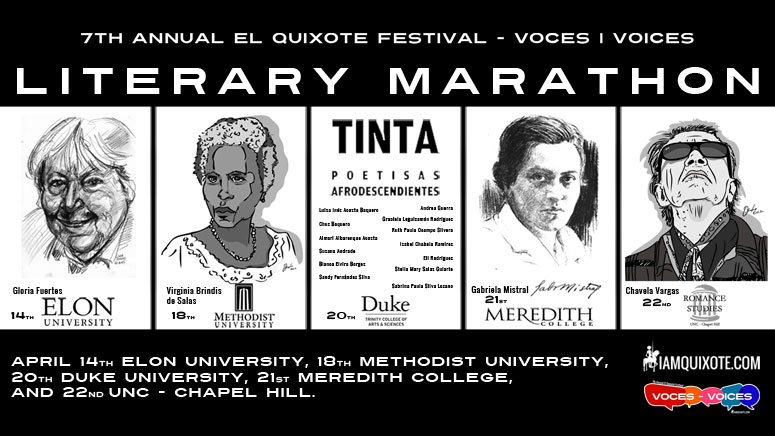
7TH ANNUAL EL QUIXOTE FESTIVAL LITERARY MARATHON – Voces – Voices

April 14-22

Artist Studio Project in collaboration with several universities and colleges invite you to participate in the 7th Annual week long El Quixote Festival Literary Marathon 2021- 2022.
This year we are proud to Celebrate Voces – Voices of women.
Join us for this historic event as we read aloud the writings of inspiring literary figures.


Artist Studio Project en colaboración con varias universidades y colegios lo invitan a participar en la séptima semana anual del Maratón Literario del Festival El Quijote 2021 – 2022.
Este año estamos orgullosos de celebrar Voces – Voices de la mujer.
Únase a nosotros para este evento histórico mientras leemos en voz alta los escritos de figuras literarias inspiradoras.


Gracias especiales a: Jonathan Wade, Mina Garcia, Luis Navarro, Javier Pabon y Elena Peña-Argüeso por su trabajo y su colaboración.


ELON UNIVERSITY APRIL 14TH, 10 AM

Gloria Fuertes García (28 July 1917 – 27 November 1998) was a Spanish poet and author of children’s literature, linked to the first Spanish literary movement after the Civil War, 50’s Generation or postism. She became particularly well-known in Spain in the 70’s, after her collaborations on children’s television shows.

Gloria Fuertes García (28 July 1917 – 27 November 1998) fue una poeta y autora de literatura infantil y juvenil española, vinculada al primer movimiento literario español tras la Guerra Civil, la Generación del 50 o el postismo. Se hizo especialmente conocida en España en los años 70, tras sus colaboraciones en programas infantiles de televisión.


METHODIST UNIVERSITY – APRIL 18TH, 10AM

Virginia Brindis de Salas (1908-1958) was a poet of the black community of Uruguay. The country’s leading black woman poet, she is also considered “the most militant among Afro-Uruguayan writers”. Her poetry addresses the social reality of Black Uruguayans.

Virginia Brindis de Salas (1908-1958) fue una poeta de la comunidad negra de Uruguay. La principal poeta negra del país, también es considerada “la más militante entre las escritoras afrouruguayas”. Su poesía aborda la realidad social de los negros uruguayos.


DUKE UNIVERSITY – APRIL 20TH, 10AM

Tintas poetisas afrodescendientes
“In the search to commemorate Afro-Latin women, this book of women’s poetry was proposed. It is time to hear their voices, to tell us about other aspects of what exists, other cultural, religious, and philosophical visions that allow us to make visible what is invisible: the wide influence that Uruguay fortunately has of Afro-descendant culture…” Marcelo E. Ortiz Uriarte

“En la búsqueda de conmemorar a las mujeres afrolatinas es que se propuso este libro de poesía de mujeres. Es tiempo de oír sus voces, de que nos cuenten otras aristas de lo existente, otras visiones culturales, religiosas, filosóficas que nos permitan visibilizar lo invisible: la amplia influencia que afortunadamente tiene el Uruguay de la cultura afrodescendiente…” Marcelo E. Ortiz Uriarte


MEREDITH COLLEGE – APRIL 21ST, 10AM

Gabriela Mistral (1889-1957), pseudonym for Lucila Godoy y Alcayaga, was born in Vicuña, Chile. The daughter of a dilettante poet, she began to write poetry as a village schoolteacher after a passionate romance with a railway employee who committed suicide. She taught elementary and secondary school for many years until her poetry made her famous. She played an important role in the educational systems of Mexico and Chile, was active in cultural committees of the League of Nations, and was Chilean consul in Naples, Madrid, and Lisbon. She held honorary degrees from numerous Universities. The Nobel Prize in Literature 1945.
(nobelprize.org)

Gabriela Mistral (1889-1957), seudónimo de Lucila Godoy y Alcayaga, nació en Vicuña, Chile. Hija de un poeta diletante, comenzó a escribir poesía como maestra de escuela de pueblo después de un apasionado romance con un empleado ferroviario que se suicidó. Enseñó en primaria y secundaria durante muchos años hasta que su poesía la hizo famosa. Desempeñó un papel importante en los sistemas educativos de México y Chile, participó activamente en los comités culturales de la Liga de las Naciones y fue cónsul de Chile en Nápoles, Madrid y Lisboa. Obtuvo títulos honoríficos de numerosas universidades. El Premio Nobel de Literatura 1945.
(premionobel.org)


UNC – CH – APRIL 22ND, 10AM

Isabel Vargas Lizano, ( April 1919 – August 2012) better known as Chavela Vargas, was a Costa Rican singer. She was especially known for her rendition of Mexican rancheras, but she is also recognized for her contribution to other genres of popular Latin American music.  The Latin Academy of Recording Arts & Sciences, presented her with a Latin Grammy in 2007.

Isabel Vargas Lizano, (April 1919 – August 2012) mejor conocida como Chavela Vargas, fue una cantante costarricense. Fue especialmente conocida por su interpretación de rancheras mexicanas, pero también es reconocida por su contribución a otros géneros de la música popular latinoamericana. La Academia Latina de Artes y Ciencias de la Grabación le otorgó un Latin Grammy en 2007.


Learn More »

Raices, Rutas y Ritmos: The Influence of Latin American Music in North Carolina

A photography exhibition by Roderico Yool Diaz

Open reception:
Tuesday, April 19th – 6:30pm
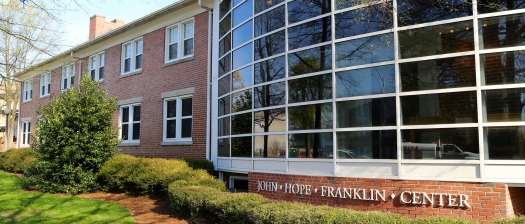
John Hope Franklin Center
2204 Erwin Rd, Durham, NC 27705
With live music by: Larry Bellorín, Sophia Enríquez, and Joe Troop


Click Here To Visit the Website


“For nearly half a century, Latino/a/x* communities across North Carolina have played an important role in re-shaping the local and regional cultural footprint. However, the creative contributions of Latino/a/x people are often overlooked in narratives of migration and labor in the United States. This exhibit highlights the importance of music-making among these North Carolinians, as well as the prominence of Latin American-derived music in the Triangle area. This exhibit aims to show that in North Carolina, music is at the center of how these communities maintain relationships with their places of origin, navigate shifting social circumstances, and cultivate new ideas of home and belonging. The stories and voices present in this exhibit are not complete. They represent only a fraction of Latin American-derived traditions in North Carolina and cannot capture the diversity of North Carolina’s Latino/a/x communities. Rather, these photos represent the beginning of a more intentional effort to document migrant music and musicians in North Carolina. This exhibit is an invitation to celebrate the raíces, rutas, and ritmos of Latino/a/x North Carolinians.”

* The use of the word Latinx is contested. On one hand, Latinx has been used to signal gender inclusivity and move away from the gendered binary of Latina/Latino and the Spanish language, as well as build solidarity across activist networks in the United States and parts of Latin America. On the other hand, some feel as though it is exclusionary and homogenizing for those who may not identify as Latinx–especially those of Indigenous or African descent–and that it does not accurately reflect how people articulate their identities in everyday life. Language remains a barrier to how we can account for more nuanced identities and understandings. 

“Durante casi medio siglo, las comunidades de inmigrantes en Carolina del Norte han desempeñado un papel importante en reformatear la huella cultural local y regional. Sin embargo, las contribuciones creativas de las personas migrantes a menudo se pasan por alto en las narrativas de la migración y el trabajo en los Estados Unidos. Esta exhibición destaca la importancia de la creación e interpretación musical entre los inmigrantes de Carolina del Norte, así como la prominencia de la música de origen latinoamericano en el área del Triángulo. Esta exhibición tiene como objetivo mostrar que, en Carolina del Norte, la música está al centro de cómo estas comunidades mantienen relaciones con sus lugares de origen, cómo navegan los cambios sociales y cómo cultivan nuevas ideas de hogar y pertenencia. Las historias y voces presentes en esta exhibición son unas pocas. Representan solo una fracción de las tradiciones migratorias en Carolina del Norte y no capturan la diversidad de las comunidades hispanas migrantes de Carolina del Norte. Más bien, representan el comienzo de un esfuerzo más intencional para documentar la música y los músicos inmigrantes en Carolina del Norte. Esta exhibición es una invitación a celebrar las raíces, rutas y ritmos de la música de los migrantes en Carolina del Norte”.


About Roderico:
For more than 15 years, Roderico has worked as an independent photojournalist and has documented the struggle of affected communities and survivors to overcome the aftermath of war and genocide in Guatemala and their relationship with migration to the United States. Roderico Yool-Díaz (1975, Chimaltenango, Guatemala), was born on a coffee plantation owned by the Dutch in the 1970s, a relic of colonialism in Guatemala where Indigenous people were forced to labor on European-owned plantations. Read More


Curated by:
Miguel Rojas Sotelo
Rafael A. Osuba


Text By:
Sophia Enriquez and Emily Rhyne, with assistance from students Samantha Gottleib and Grayson Real in the course MUSIC190S: Borderlands and Musical Crossings’


This project is sponsored by:
Duke University Center for International and Global Studies (DUCIGS),
Center for Latin American and Caribbean Studies (CLACS),
Department of Music,  Program for Latina/o Studies in the Global South,
and the TDE Arts Fund.

Produced in partnership with Artist Studio Project and Iximché Media.

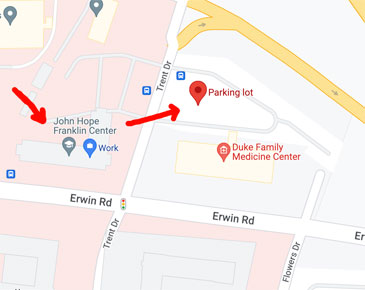
Also Free Parking at Duke Family Medicine Center (after 5pm) Across the street from JHFC on Trent Dr.

Learn More »

CULTURAL EXPERIENCE At The COR

It is with great sadness that due to COVID this event has been cancelled.

CULTURAL EXPERIENCE DOWNTOWN RALEIGH
The COR Museum in collaboration with Artist Studio Project invite you to an afternoon filled with music, art and friendship. This family friendly event forms part of the 7th Annual El Quixote Festival: VOCES-VOICES.

SUNDAY SEPTEMBER 19, 2021 1 – 4 PM

CITY OF RALEIGH MUSEUM DOWNTOWN RALEIGH NC

220 FAYETTEVILLE ST. RALEIGH, NC 27601


Program includes: Craft table for the whole family,

Visual Artist “Jose Manuel Cruz” 1 – 4 PM

Musical Group: “Grupo La Expresión” 1:30 – 2:30 PM

Author/Editor: “Miguel Rojas-Sotelo”
Book Presentation Graphic In Transit – Sergio Sanchez Santamaria 3:00 – 3:45 PM


Learn More »

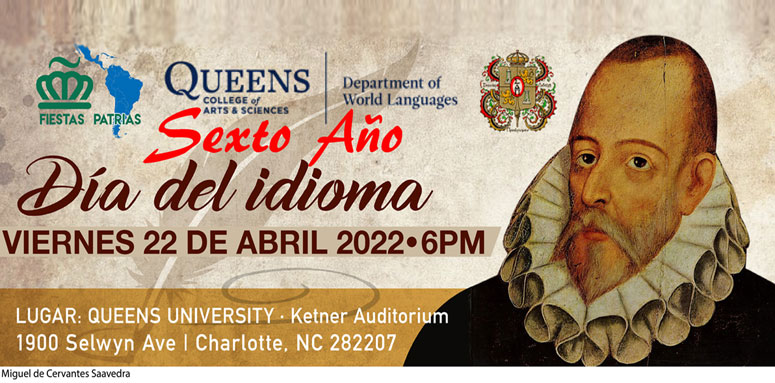
Dia Del Idioma 5th Year

FRIDAY AT 7 PM EDT

Price: Free Public Anyone on or off Facebook

El Comité de Fiestas Patrias y Tradiciones de Charlotte (CFTC), la Oficina de Igualdad, Movilidad e Integración de los Inmigrantes de la Ciudad de Charlotte (EMM), el Departamento de Idiomas Globales de la Universidad de Queens (QU-DWL), el Festival del Quijote (de Artist Studio Project), y Soy Latino Como Tu (SLT) invitan a la celebración del Día del Idioma Español el viernes 23 de abril a las 7 de la noche por medio de las plataformas Zoom y Facebook Live.
En el acto intervendrán más de 21 expositores de todos los países de habla hispana que describirán el uso del castellano en cada uno de sus naciones de procedencia. Entre los presentes habrá, filólogos, maestros de español, periodistas y profesionales de negocios.
Nuestros eventos anuales están siendo patrocinados por la Cooperativa Comunitaria Latina de Crédito (LCCU), la cadena de supermercados Compare Foods, la empresa de bienes raíces Maldonado Realty, la entidad de asesoría financiera Prospera, el servicio de IT Guaripete Solutions, Alex Salazar Realtor y el Centro Médico Latino.
Como aliados de Fiestas Patrias están Telemundo Charlotte, la panadería Manolo’s Bakery, la Coalición Latinoamericana (LAC), la Alianza de Venezolanos en Charlotte (AVC), la Fundación Colombo Americana (COAMFO), Asuntos Latinos, Unisal, y Soy Latino Como Tú (SLT)
Este es el quinto año en que Fiestas Patrias celebra el Día del Idioma en Charlotte.
En 2020 el evento estaba programado para celebrarse presencialmente en el Auditorio Ketner, Edificio Sykes, en la Universidad de Queens, pero tuvo que cancelarse debido la pandemia del Covid-19.

Learn More »

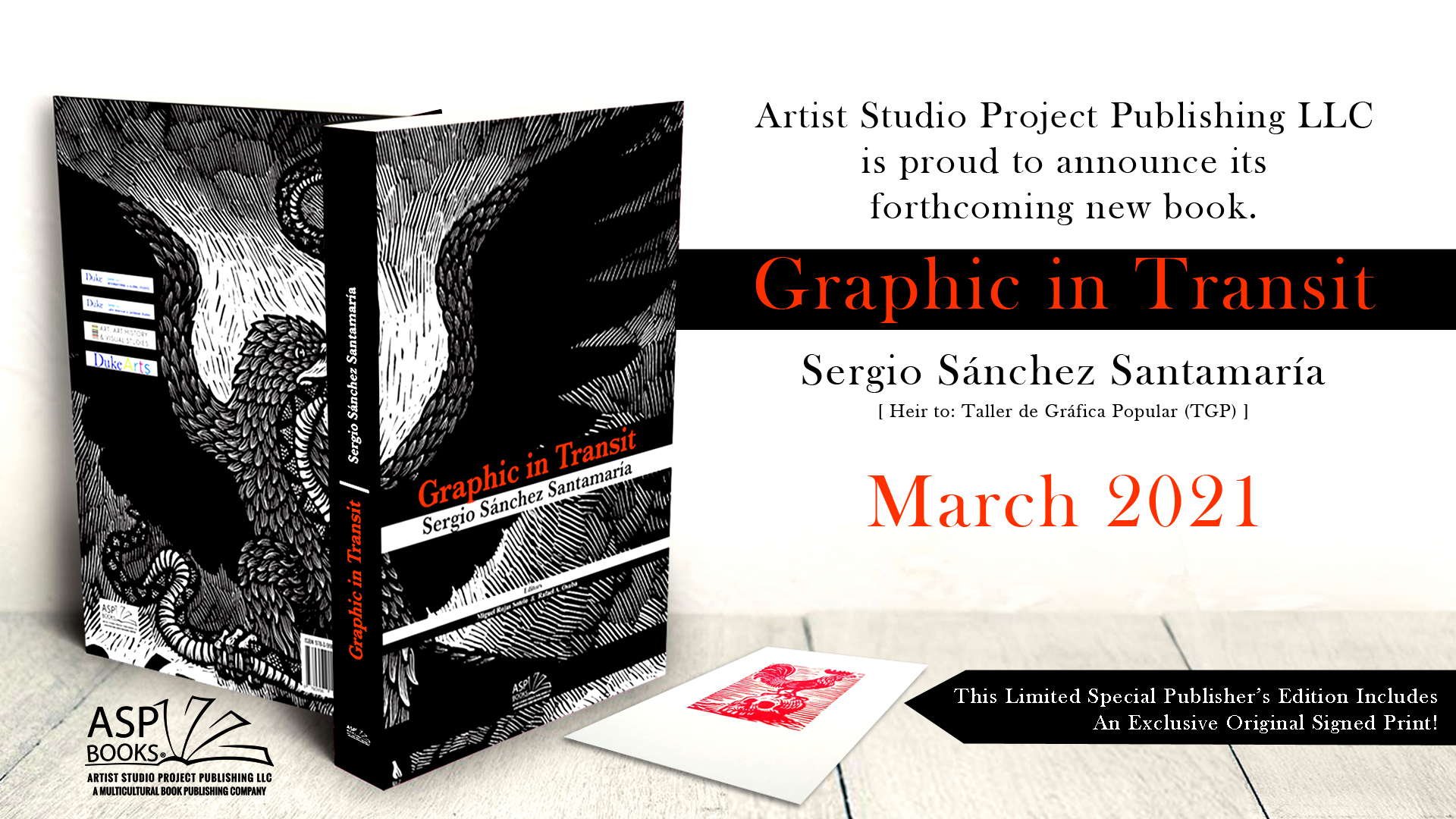
GRAPHIC IN TRANSIT | Sergio Sánchez Santamaría

GRAPHIC IN TRANSIT | SERGIO SÁNCHEZ SANTAMARÍA

Limited Special Publisher’s Edition SOLD OUT!!!

Thank you to all that ordered our Limited Special Publisher’s Edition.


New stock of standard editions coming in daily!

ORDER STANDARD EDITION HERE:  ASP BOOKS

GRAPHIC IN TRANSIT | SERGIO SÁNCHEZ SANTAMARÍA

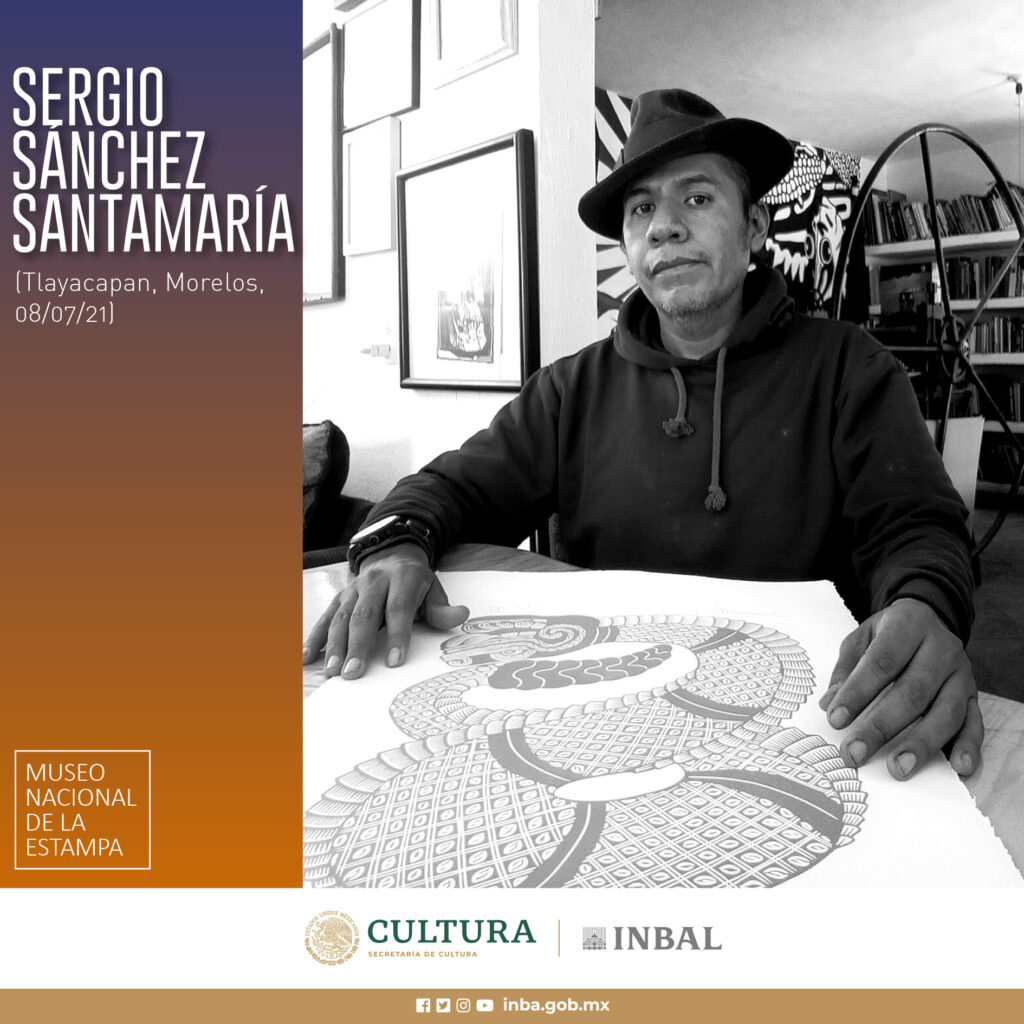
Sergio Sánchez Santamaría is the heir to the famous Taller de Gráfica Popular (TGP) in México. In the land of José Guadalupe Posada, Sánchez Santamaría carries on.
GRAPHIC IN TRANSIT responds to the question of how to sustain and actualize such a legacy in times in which art has moved away from image production and the socially engaging ways of the past.

This volume presents the work of Sánchez Santamaría in a historical and critical context, next to some of the most important exponents of graphic art in Mexico and the U.S., among then Leopoldo Méndez and Elizabeth Catlett.
Texts produced for the book by art critics, collectors, and fellow artists demonstrate the power of Sánchez Santamaría’s art. Sergio Sánchez is a prolific producer of images, this book includes some of the most relevant of his two and a half  decade trajectory.
Many of them are represented in a number of important public and private collections in México and the U.S.
We are launching the book with a special limited signed original linocut print created especially for this volume.

You can Pre-Order your Special Limited Copy Now!


EVENTS

MARCH 24. NOON – 1:PM.

GRAPHIC IN TRANSIT: SOCIALLY ENGAGED ART IN THE ERA OF BLACK LIVES. 

Raúl Ferrera Balanquet, Center for Afrofuturist Studies, Iowa City; Bill Fick, Duke University; and Rafael A. Osuba, Artist Studio Project (ASP). Introduced and moderated by Miguel Rojas-Sotelo, Duke University. With participation of Sergio Sánchez Santamaría.

DESCRIPTION: GRAPHIC IN TRANSIT | SOCIALLY ENGAGED ART IN THE ERA OF BLACK LIVES.

Sergio Sánchez Santamaría is the heir of the famous Taller de Gráfica Popular (TGP), a powerful collective of visual artists that for decades produced art in a socially (at times politically) engaged ways in Mexico and that became known worldwide for their commitment to justice, social equality, and human rights. GRAPHIC IN TRANSIT responds to the question of how to sustain and actualize such a legacy in times in which art has moved away from the social commitment of the past. Participants in this conversation will present the work of Sánchez Santamaría in a historical and critical context, next to figures such as African American artist Elizabeth Catlett and Leopoldo Méndez among others. This event also marks the launching of the book of the same title, which presents texts produced by art critics, collectors, and fellow artists introducing to the American audience the work of Sánchez Santamaría.



Registration link: https://duke.zoom.us/meeting/register/tJ0vce2rpjgvE9Wo7Y9TNLt5WpSoub2vgpjh.


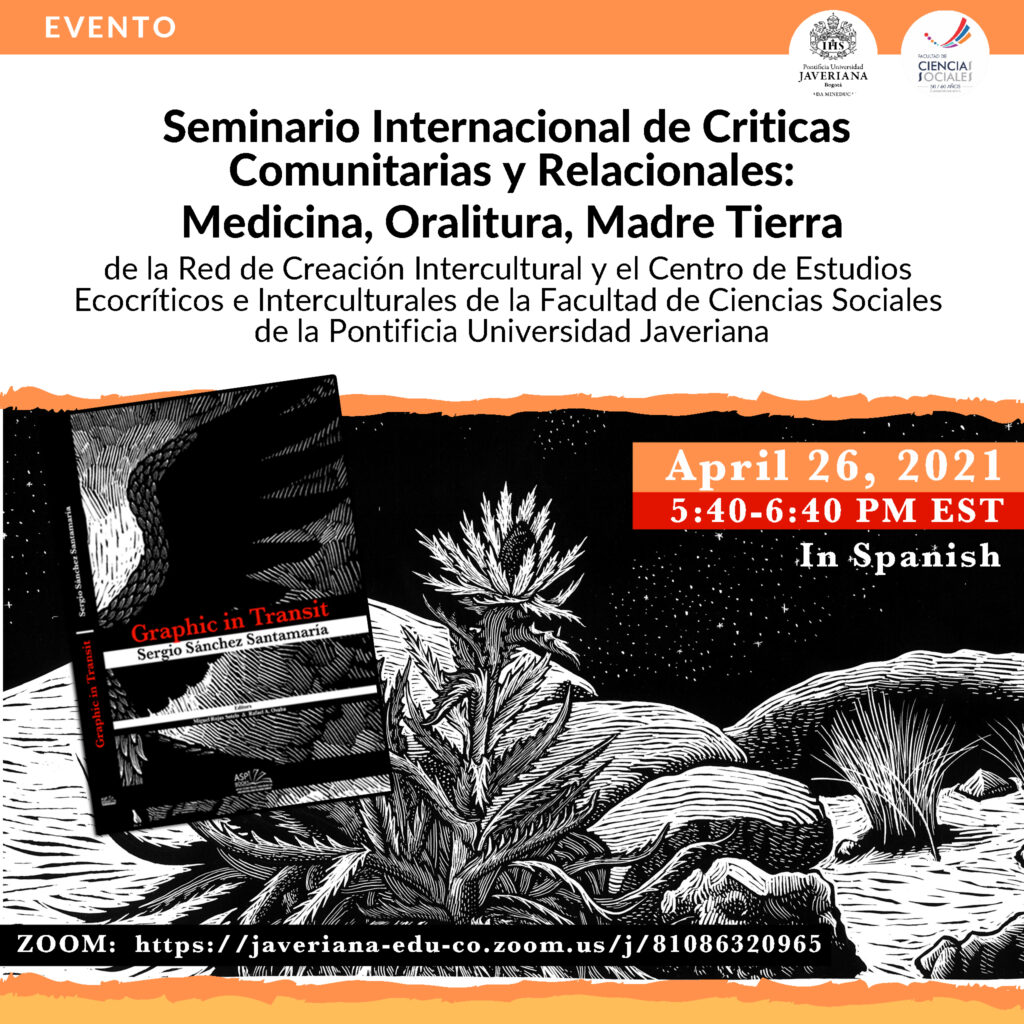
Seminario Internacional de Criticas Comunitarias y Relacionales:

Medicina, Oralitura, Madre Tierra

Monday – Lunes     4/26/2021

5:40-6:40 pm EST
Join Us:
Link: https://javeriana-edu-co.zoom.us/j/84189742256

Gráfica en tránsito | Sergio Sánchez Santamaría. (México, USA). Con presencia de Sergio Sánchez Santamaría, Raúl Ferrera-Balanquet y Rafael A. Osuba. Presenta Miguel Rojas, Duke University, Estados Unidos.


Bancroft Roundtable –
University of California Berkeley

April 29 • Noon (PDT) | 3:00pm EST

• Register via Zoom

Book Presentation:
Graphic in Transit: Sergio Sánchez Santamaría

Sergio Sánchez Santamaría is the heir of the famous Taller de Gráfica Popular, a powerful collective of visual artists that for decades produced art in a socially (at times politically) engaged ways in Mexico and that became known worldwide for their commitment to justice, social equality, and human rights. Graphic in Transit: Sergio Sánchez Santamaría responds to the question of how to sustain and actualize such a legacy in times in which art has moved away from the social commitment of the past. Participants in this conversation will present the work of Sánchez Santamaría in a historical and critical context, next to figures such as African American artist Elizabeth Catlett and Leopoldo Méndez among others. This event also marks the launching of the book of the same title, which presents texts produced by art critics, collectors, and fellow artists introducing to the American audience the work of Sánchez Santamaría.

Speakers will include:
Sergio Sánchez Santamaría. Artist.
Raúl Ferrera Balanquet. Center for Afrofuturist Studies, Iowa City.
Miguel Rojas-Sotelo. Duke University.
Co-Editor. Rafael A. Osuba. Artist Studio Project.


En la Noche de museos virtual de julio el Museo Nacional de la Estampa presentará el libro “Graphic in Transit / Sergio Sánchez Santamaría”, trabajo editado por Miguel Rojas Sotelo y Rafael A. Osuba, que presenta la obra de este importante artista de la gráfica mexicana en el contexto histórico y crítico.
Contaremos con la participación del artista plástico Sergio Sánchez Santamaría; Raúl Moarquech Ferrera-Balanquet, de la Universidad de Iowa y los editores, quienes conversarán acerca de esta publicación dedicada a la obra gráfica de Sánchez Santamaría, quien es considerado un digno representante de la tradición artística y cultural en México y el extranjero, ya que gran parte de su obra forma parte de colecciones privadas e institucionales en los Estados Unidos, como la UC Berkeley, Yale, Duke, entre otras universidades.


Links:ASP BOOKS
Publisher: Artist Studio Project Publishing LLC. Raleigh, NC: 2021.
Language: English
Notes: Includes bibliographical references, list of images, artist cv.
Description: xx, 289 p. (304 p.); 152 illustrations; 30 x 21 x 2 cm [11 3/4x 11 1/2 x 3/4″].
Editors: Miguel Rojas Sotelo & Rafael A. Osuba.
Illustrator | Artist: Sergio Sánchez Santamaría. All art by Sánchez Santamaría, otherwise named.
Preface By: Robert Healey.
Contributing Text By: Carlos Guevara Meza, Miguel Rojas Sotelo, Raúl Moarquech Ferrera Balanquet, José Calle, Steven Campbell, and Bill Fick.
Cover Design: Rafael A. Osuba, Miguel Rojas Sotelo.
Image by: Sergio Sánchez Santamaría. (Benito Juarez o el Nacimiento de la república. 2017)
© Artist Studio Project Publishing LLC (ASP Books) 2021
© Sergio Sánchez Santamaría

IN COLLABORATION WITH:
Duke University Center for Latin American and Caribbean Studies (CLACS), Duke University Center for International and Global Studies (DUCIGS), Duke University Department of Art, Art History and Visual Studies (AAHVS) and  Duke Arts.


“As a lover of Mexican culture in general and of the TGP in particular, I am delighted that Sergio Sánchez Santamaría is carrying on their great tradition.”
Robert Healey, collector.

“The work of Maestro Sánchez Santamaría has a clear ‘classic’ air, so to speak. He immediately remembers the best of that revolutionary left-wing nationalism of the Taller de Gráfica Popular (TGP).
Carlos Guevara Mesa, art critic.


“Sánchez Santamaría and Elizabeth Catlett, have engaged in constant interventions with the sociopolitical and cultural local context of many regions; and, as conscious producers of memories, aware of their voices, have manifested their collective capacities to reclaim their existence. Acquiring the designation of La Tercera Raíz, the third root”
Raúl Ferrera-Balanquet, author and art critic.


“I was always attracted to Sergio’s mastery of the craft, his ability to create mood, movement, light, darkness, tensions, emotions. A mastery not seen since the days of Posada or Leopoldo Méndez.”
José Calle, collector.


“Sergio is as passionate for printmaking as he is to make poetry with it.”
Steven Campbell, artistic director Land Fall Press.


“I definitely consider him to be one of the outstanding printmakers alive today!”
Bill Fick, artist and printmaker.


“Alluding to the famous phrase of the great José Clemente Orozco: ‘If I hadn’t been an engraver I would have wanted to be an engraver.’
Sergio Sánchez Santamaría


Learn More »